Psychologist · English & Spanish
Psychologist in English and Spanish in Norway
A safe and respectful space to talk in the language you feel at home in. Office in Oslo and via videoconference.
experience
and Spanish
no GP referral needed
Gjensidige·Storebrand·If·Tryg·Vertikal·DNB·Nordea

About me
The art of living well and the art of dying well are one.
Epicurus
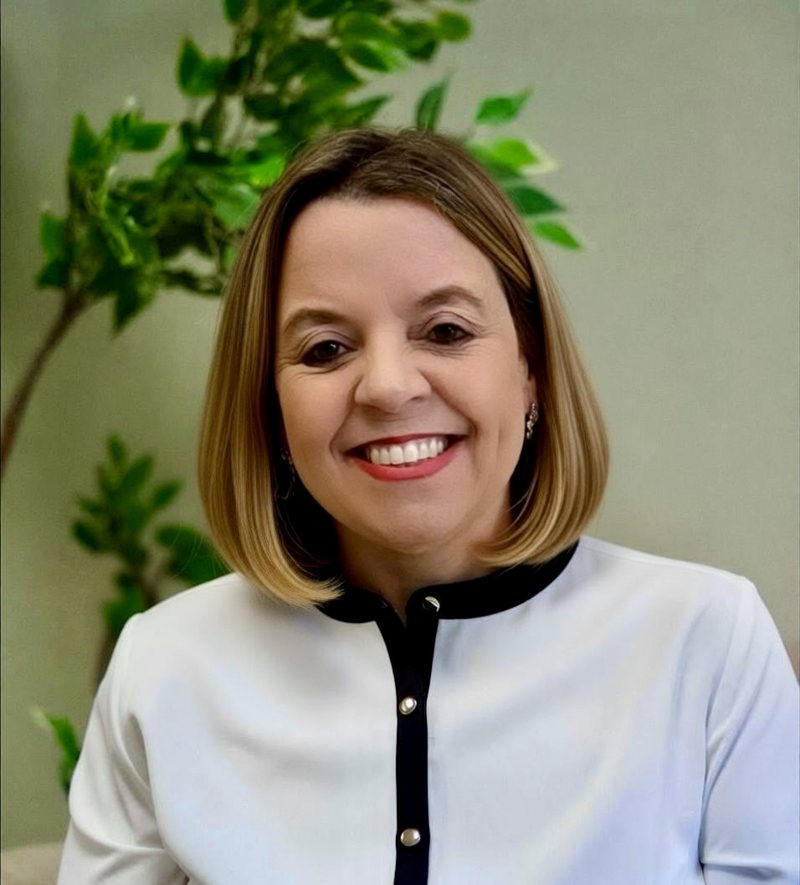
Valeria Piquero Willassen
Clinical psychologist with more than 30 years of experience and more than 15 years living in Norway.
I was born in 1972. I am Venezuelan, of Spanish parents, married to a Norwegian, and the mother of two daughters.
I graduated in psychology from the Universidad Central de Venezuela in Caracas in 1996, and completed a Master in Clinical Psychology at the same university in June 2001, taught by professors from the USA, Argentina, Venezuela and Spain. Since then I have worked in public hospitals, clinics, non-profit organisations and universities, in private practice in Oslo since 2015, and at Dr.Dropin in Oslo since 2024.
All people deserve to be happy, and a psychologist has the tools to help people achieve that happiness. Whether you are going through a difficult stage in life or simply want to get to know yourself better, therapy is always worth it.
I am trained in the most important currents of psychology, and my therapies are systemic and personalised. Depending on the person and their situation, I use the therapy that suits them best.
- EducationDegree in Psychology; specialization and Master in Clinical Psychology
- AuthorisationAuthorised psychologist in Norway since 2015, licence no. 10020621
- MembershipNorwegian Psychological Association
- Therapy inEnglish, Spanish
- PracticePrivate. Office in Oslo and video consultations
Curriculum vitae
Experience and education
More than 30 years of work in hospitals, clinics, universities, non-profit organisations and private practice in Venezuela and Norway.
Education
University degrees
-
Degree in Psychology
Universidad Central de Venezuela (UCV)
Class of May 1996
-
Specialization, Master in Clinical Psychology
Universidad Central de Venezuela (UCV)
June 2001
-
Authorised psychologist in Norway
Licence no. 10020621
Career
Work experience
-
Psychologist
Dr.Dropin, Oslo, Norway
-
Psychologist
Private consultation, Oslo, Norway
-
Psychologist, private practice
Razetti Clinic and Sanatrix Clinic, Caracas
-
Psychologist
JM de los Ríos Hospital, Caracas
July 2000 – April 2003
Psychological care for children and parents in the hospital’s Immunology and Allergies service: psychosomatic illness, managing physical illness, sexual abuse, drugs, anorexia, bulimia, trichotillomania and more.
-
Psychologist
Student Welfare Organization (OBE-UCV), Caracas
July 1999 – July 2003
-
Psychologist, National Hosting Coordinator
AFS Intercultural Programs Venezuela
August 1996 – July 1999
-
Thesis student, Training Department
Caracas Metro, Caño Amarillo
February – September 1995
Thesis awarded a mention for publication.
-
Recruitment and staff selection
Movilnet
May – August 1995
-
Venezuelan Society of Dermatology
- CurrentConsultant member, Skin Clinic (Clínica de la Piel), Caracas
Research
Publications and theses
Evaluation of depressive and anxious symptoms in patients with acne in treatment with isotretinoin
Postgraduate thesis, 2001. National Award in Dermatology, 2002.About two cases of trichotillomania: psychological aspects
Dermatology journal, XXXVI Annual Meeting, November 9–11, 2000.Study of psychological aspects in patients with dermatomyositis at JM de los Ríos Hospital
Journal of rheumatic diseases.Total quality in a Venezuelan service company
Graduate thesis for the bachelor’s degree, 1995.
Languages
Five languages
Further training
Other studies
Show courses and further training
- Bachelor in Psychology, Industrial mentionUniversidad Central de Venezuela, Faculty of Humanities and Education, 1990 – 1995
- Specialization in Clinical PsychologyUniversidad Central de Venezuela, Postgraduate Studies Commission, 1999 – 2001
- Comprehensive Gestalt courseVenezuelan Institute of Gestalt, 2003 – 2005
- Research on psychosomatic diseasesJM de los Ríos Hospital, Caracas
- Personnel training and industrial psychology coursesSchool of Psychology, Psico-Consult and Telematics International
- Organizational development and management courses
- Volunteer management courseFIPAN, November 1996
- Course “Improvement in Quality”Dominican Republic, November 1997
- Service Quality seminarPanama, 1998
- Seminar “Is it culture or nature?”Kuna Yala, Panama, October 1998
- Evaluation course for weapon bearersCollege of Psychologists, Miranda State
- World Conferences on Advances in PsychologyAnnual participation
- Psychoanalytic meetingsAnnual participation, Paseo Las Mercedes, Caracas
Therapies
Therapies include
Help for individuals, couples, families and groups, tailored to your situation and your goals.
-
Adult and adolescent psychotherapy
Individual therapy for adults and teenagers.
-
Couple and family therapy
Improving communication, working through conflict and strengthening the relationships that matter.
-
Child and family therapy
Supporting children and parents together through challenges at home, at school or in life.
-
Alcoholism and drug addiction
Help to understand and change dependence on alcohol, drugs and other substances.
-
Group therapies
Sharing experiences and learning from others in a safe, guided group setting.
-
Seminars
Talks and workshops on psychological health for organisations and communities.
When to seek help
Reasons for seeking psychological help
Focus areas
Problems I work with
- Anxiety disordersPhobias, social anxiety and more
- DepressionSadness, crying, mood disorders, childhood depression, grief over separation from parents, moving or a death in the family
- Behaviour disordersOppositional or dissocial behaviour, aggressiveness, excessive anger, extreme shyness, difficulty expressing oneself or speaking in public
- Family, school or social difficultiesThat cause sadness, fear, inhibition or aggressiveness
- Low self-esteem and insecurity
- Difficulties in social relationshipsIsolation, social withdrawal, lack of social skills
- Abuse and neglectSexual, physical or emotional abuse, abandonment, family neglect
- Living with physical illnessChronic or acute illness such as cancer, heart disease, burns or amputations
- Psychosomatic illnessPhysical discomfort that persists despite medical care: headaches, stomach aches, constant fatigue
- Significant mood swings
- Academic performanceIn children and adolescents
- Enuresis or encopresisLack of bladder or bowel control
- Sleep problemsInsomnia, excessive sleepiness and other sleep disorders
- Eating disordersSuch as anorexia and bulimia
- Bullying
- Substance abuseAlcohol, illicit drugs and other substances
- Adapting to a new cultureA new country, culture or language
How I work
How therapy works
Each person and each problem is unique. Together we define the problem, agree on goals and find the approach that suits you.
The process
Four steps
-
Defining the problem
A psychodiagnosis identifies the general characteristics of the problem. Following scientifically established guidelines, we look at which psychological processes lie behind the difficulties, and what circumstances trigger or strengthen them. Therapist and patient define the problem together and agree on the steps to follow.
-
Methodology
The methods vary with the case: interviews, drawing tests, inventories, scales and tests designed to detect specific difficulties. The theoretical approach is mainly psychodynamic, but depending on the problem, cognitive-behavioural approaches may also be used.
The aim is a practical and inclusive way of addressing problems. Each person and each problem is unique and deserves its own assessment. Human beings are psycho-bio-social, so the approach must also be systemic.
-
Goals
Based on the diagnosis, we decide together what to achieve and which steps to take. The fundamental goal of all therapy is for the patient to feel happy with themselves, or at least more at peace with the situation that troubles them, and to have the tools to find their own way and their own answers.
-
Sessions
Sessions are dynamic, last 45 minutes and require an appointment. They take place at the office in Oslo or by video. If needed, a session can be cancelled up to 24 hours in advance. All sessions are strictly confidential.
You explain why you are seeking help, and I ask questions and make observations that help you clarify your situation. The work can be complemented with tasks between sessions, which supports gradual progress. Where it helps, you will learn relaxation techniques, cognitive exercises and similar tools.
How long therapy lasts depends on each case: on how serious and long-standing the problem is, and on the understanding and dedication each person brings. Therapy helps, but it only works with your collaboration. There is no magic, and wanting to change is not enough on its own. You also have to work on it.
If therapy cannot help in a particular situation, I will say so clearly and recommend another way forward.
When to seek help
When is therapy the right choice?
There are many opinions about when and why people go to therapy. Some think everyone should always be in therapy, others that it belongs to a certain stage of life, and others that it is only for when you feel bad.
In reality, people usually consider therapy when, after using their own resources to get ahead, they conclude that their own methods are not enough. Then it helps to use professional methods and get a view that is both comprehensive and objective. Psychologists have tools that help people find answers to their questions, and that lead to behaviours, attitudes, perceptions and thoughts that help them feel good about themselves.
Read more about crisis and prevention
Crisis
Most people come to therapy not when they first think about it, but when the situation turns into a crisis. That is when thinking turns into action. Just as we do not see a doctor when we feel well, we rarely see a psychologist without an obvious reason. Yet just as we take preventive measures for our physical health, we should do the same for our psychological health, all the more because we are constantly exposed to the emotional pressures of our surroundings.
The absence of symptoms is easily taken as a sign of health: “nothing hurts, so I’m not ill.” That is a common mistake. In psychology, problems are often not in the symptoms. They settle beneath the surface and may only appear as symptoms after years. These underlying issues are often unresolved conflicts or worries that were not attended to at the time, and that now come to light almost unavoidably.
A deeper issue is the way we learn to perceive our own experience. Each person has a life story that shapes their opinions and style of living, and from that style they explain why things happen to them. This can lead to situations a person is unaware of, or does not see as problems, even though they are.
For all these reasons, therapy is recommended as a way to reflect on what happens to us as human beings. Take an hour of your life and talk to a professional you trust. Friends and confidants are a great help, but a therapist is trained to keep an objective view, without their input being coloured by personal feelings.
Background
A brief history of psychology
Psychology is the science of the behaviour and mental processes of individuals. It explores perception, attention, motivation, emotion, attitudes and aptitudes. Its origins lie in philosophy, in the attempt to make the study of the mind measurable and quantifiable.
There are many schools of psychology, reflecting the diversity of problems and people. Each can be effective at a given moment, for a specific problem and a specific person. These are the main currents, explained in a few sentences each:
Read about the main currents
-
Psychoanalysis
Sigmund Freud
The main human motivation is to seek pleasure and avoid pain. It holds to psychic determinism and describes psychosexual development. The unconscious is essential.
-
Behaviourism
Watson, Skinner, Pavlov
Only what can be verified counts. The focus is on learning and the environment: positive reinforcement or punishment determines whether a behaviour continues or dies out.
-
Gestalt
Frederick Perls, Germany
The whole is more than the sum of its parts, and perception plays a fundamental role. Self-acceptance and self-responsibility are central themes.
-
Humanism
Carl Rogers
Highlights the human side of the person and our possibility and need to grow. Self-acceptance and self-responsibility are central themes.
-
Structuralism
Wilhelm Wundt, Edward Titchener
Studies consciousness through introspection: the analysis of the processes in which we use consciousness, and of how connections in the brain develop.
-
Cognitivism
Information processing
Studies how we process information: attention, perception, memory and thought. Therapy is based on cognitive restructuring.
There are many other psychological currents, but most of them grow out of these.
Psychotherapy helped me to reveal my spirit and start a journey of self-discovery and personal improvement.
Angel Moreno
Therapy prices
Prices and conditions
Private consultation. No referral from your family doctor (fastlege) is needed, and many Norwegian insurance companies cover treatment.
In the office
Husebybakken 28B, Oslo
Sessions after 16:00: 200 kr additional.
By video
From anywhere in the world
Secure video, no travel needed.
Reports & letters
500 kr per report or letter.
Cancellation
24 hours notice required. Otherwise the session is charged.
Payment
Debit or credit card, Vipps or cash.
Special cases
Low income, political refugees and others: personal agreement.
Booking
Book an appointment
Choose a time that suits you. Sessions are available at the office in Oslo or by video from anywhere in the world.
Prefer Dr.Dropin? I also see patients at Dr.Dropin in Oslo. Book a time directly in their system.
Contact
Get in touch
Questions before booking? Send an e-mail or leave a message below.
Please avoid sharing sensitive health details here. We can talk about that in person.
Saturday 10–12
Need urgent help?
This practice cannot respond to emergencies. Call 113 in an emergency, the emergency room (legevakt) on 116 117, or the Mental Helse helpline on 116 123.
“The challenge is not to be someone else. The challenge is to be oneself.”

